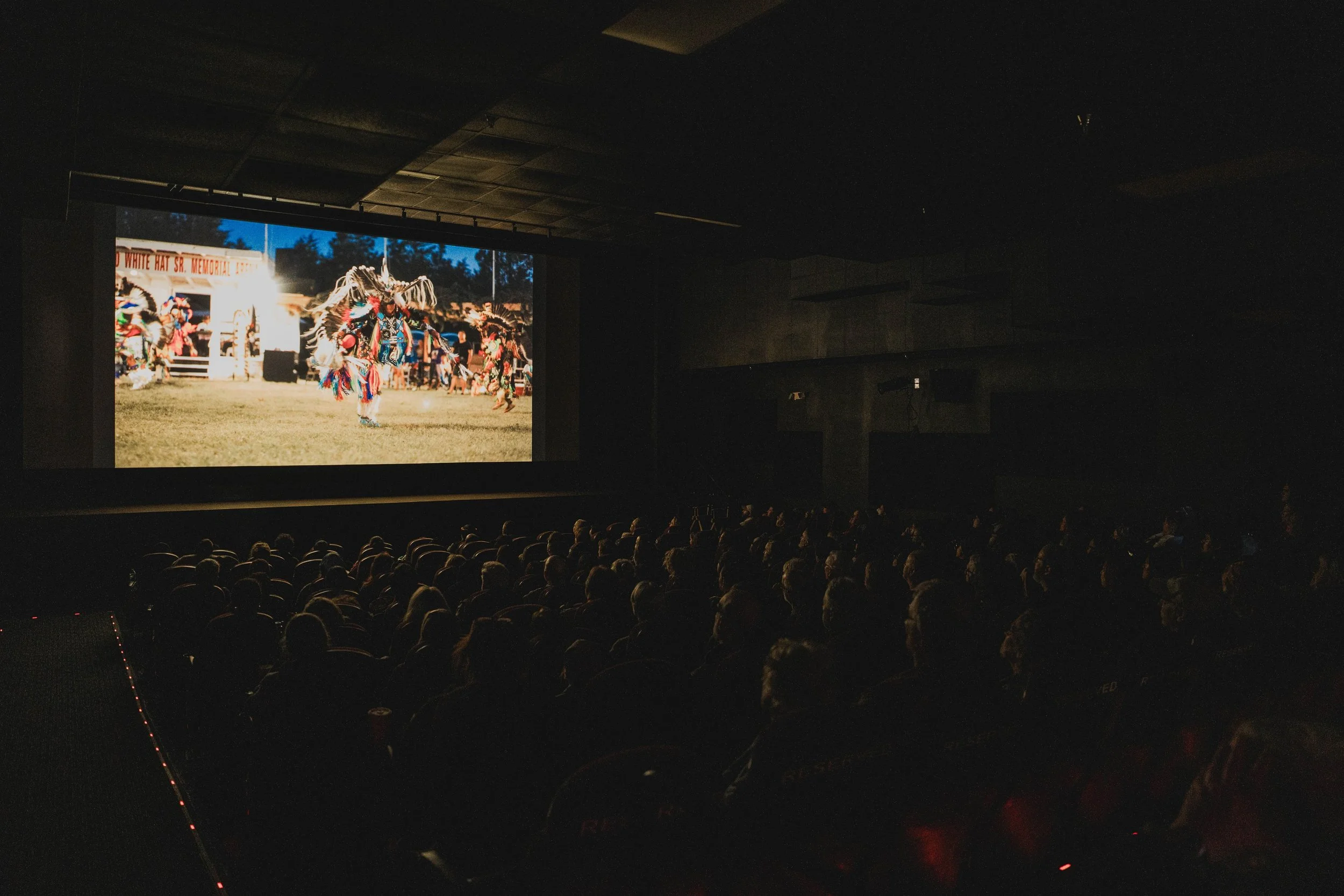
WHY WE DANCE
Why We Dance traces the heartbeat of land through footwork, sound and circular movement, revealing how dance becomes a bridge between body and earth, self and community, and why reclaiming space matters.
SYNOPSIS
On land marked by erasure and ignorance, a letter arrived in 1923 ordering hundreds of Tribal Nations to stop dancing. What officials called “unproductive gatherings” were in truth ceremonies of harvest, gratitude, and renewal — times when communities came together to thank the land, share food, and prepare for winter.
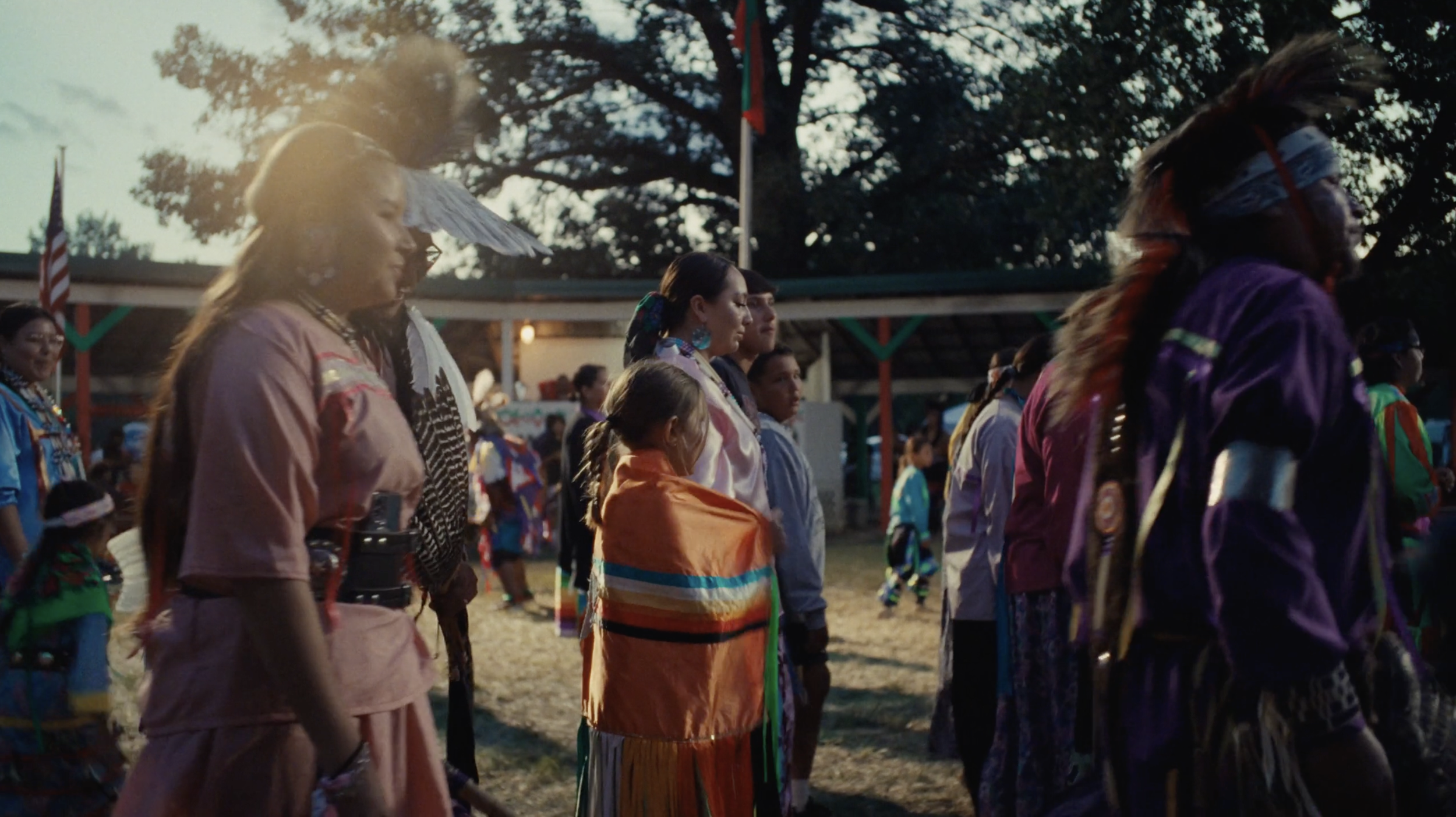
The Meskwaki people refused to be silenced. In response, they organized one of the largest powwows of their time, a four-day celebration that drew thousands from neighboring towns and Tribal Nations. The tradition itself became the resistance. One hundred years later, the Meskwaki Annual Powwow continues celebrating, gathering families, friends to dance, sing, and give, carrying forward a rhythm that could not be outlawed.
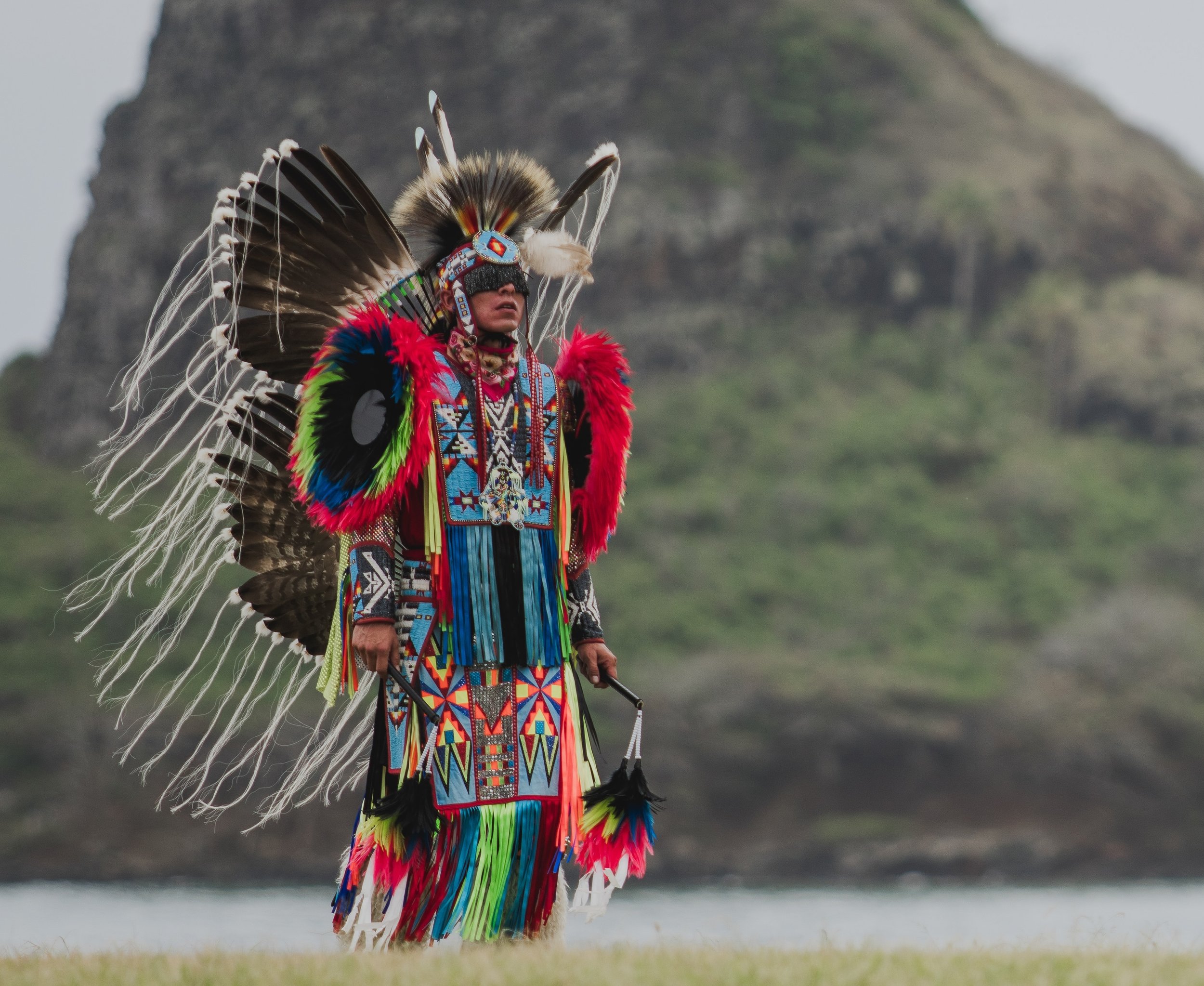
Why We Dance traces that enduring heartbeat of land and people, examines the culture and complexity of dance within Indigenous communities, and the resilience of individuals and nations continuing to preserve their traditions despite generations of erasure and ongoing atrocities. Through powwow footwork, hand-beaded regalia, stories passed down through families, the film reveals how dance becomes a bridge between body and earth, anger and hope, memory and future.
Filmed across the Rosebud Reservation, the Meskwaki Settlement, the Twin Cities, Oʻahu, Hawaii and Mataxhi, Mexico, Why We Dance is both document and celebration. A story of endurance, belonging and the movement that continues to bind communities across generations and geographies.
COMMUNITY IMPACT
Archiving our ancestral stories is an essential tool in our collective reclamation of culture, history and truth. We have gratitude for the opportunity to share our stories from Turtle Island with communities across the world. We welcome intentional partnerships with individuals and organizations hoping to gather together to share story, dance, and education together.
CAST AND CREW
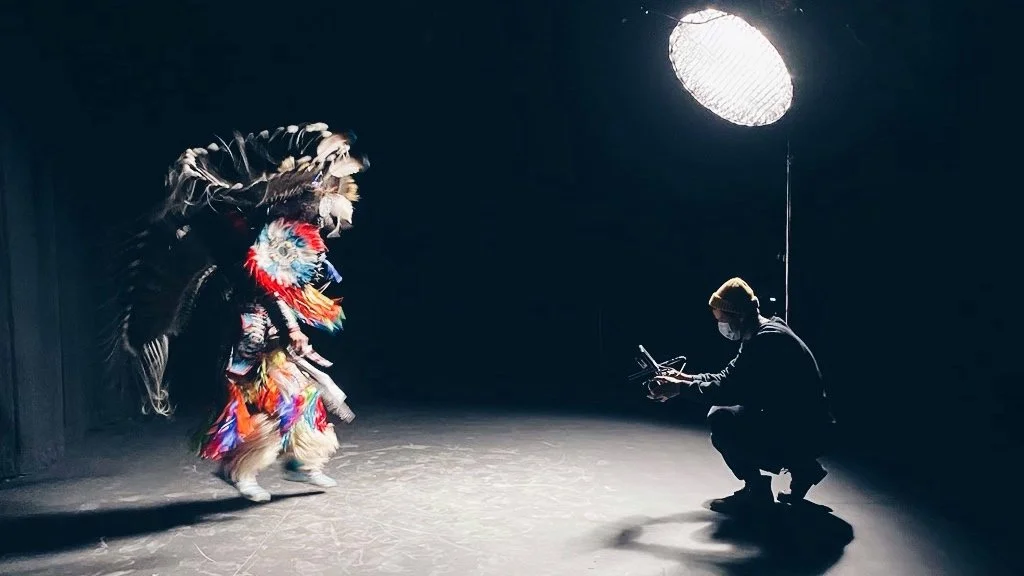
We follow Oogie_Push and other dancers in her global network throughout the journey of the film. Canku One Star, Sicangu/Oglala Lakota, Oneida and Seneca tribes, is an enrolled member of the Rosebud Sioux Tribe in South Dakota. He has traveled throughout North America performing and expressing his style of dance, the Men’s Fancy War Dance style. Coming from a family and reservation with rich history and culture, One Star began dancing from the time he could walk. He now promotes keeping the Indigenous cultures thriving through education. Canku is a founding member of OSP Productions, and works to support others that are hoping to learn more about the practice, culture, and history of dance.
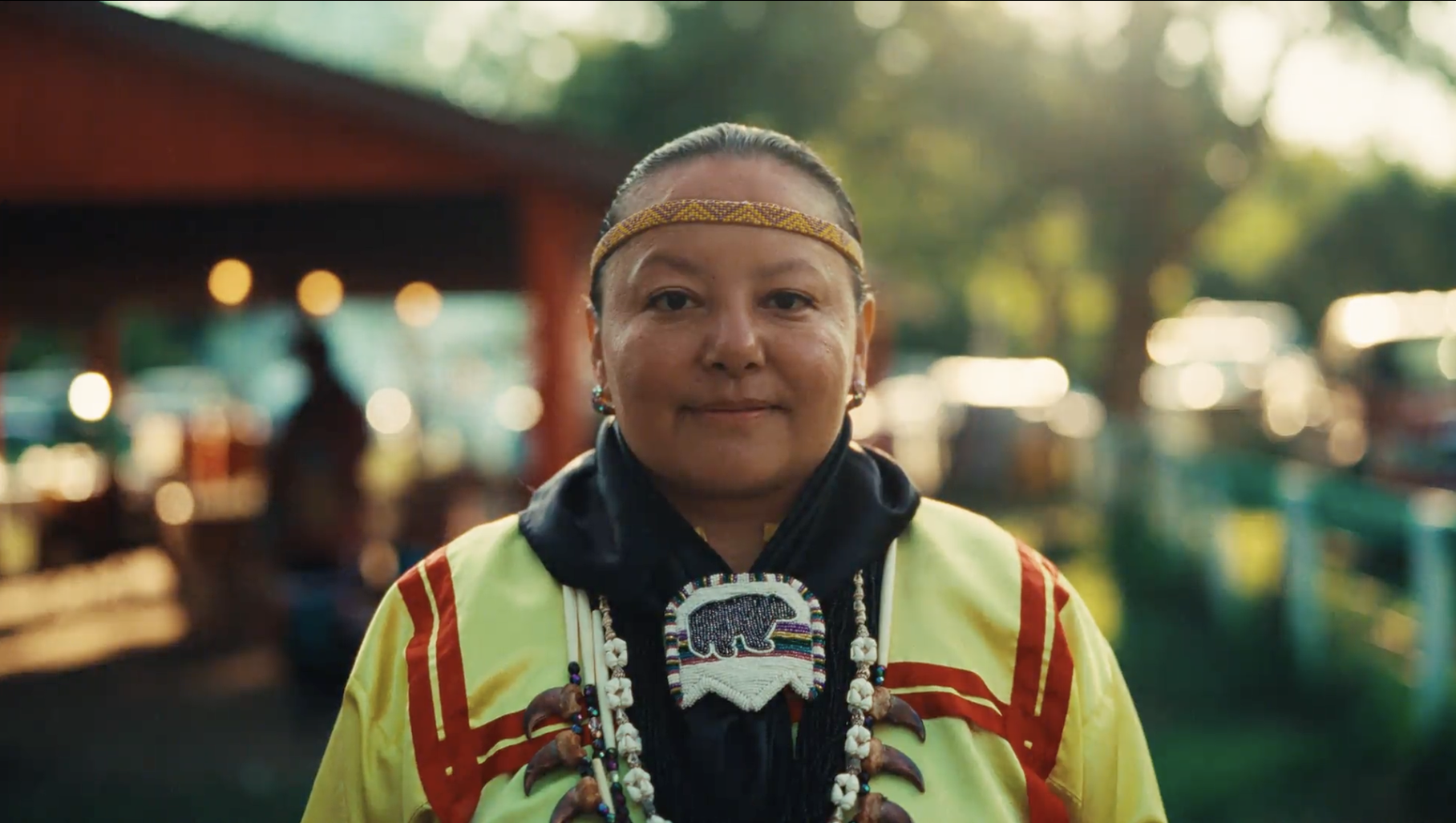
Loa Simoes of the Sac and Fox Bear Clan and President of the Oahu Intertribal Council. Loa was born in The Meskwaki Settlement in Tama, Iowa and adopted by a white family in Hawaii as a young girl. As she is preparing for the Oahu Intertribal Council’s largest powwow yet, she travels home to Tama, where she connects with family for the first time. In a moving journey within her identity, and physically traveling across the ocean, we follow her along the way. When she returns to Hawaii she is joined by tribal dancers from across the world including Kalpulli Yaocenotxtli from St.Paul, Minnesota.
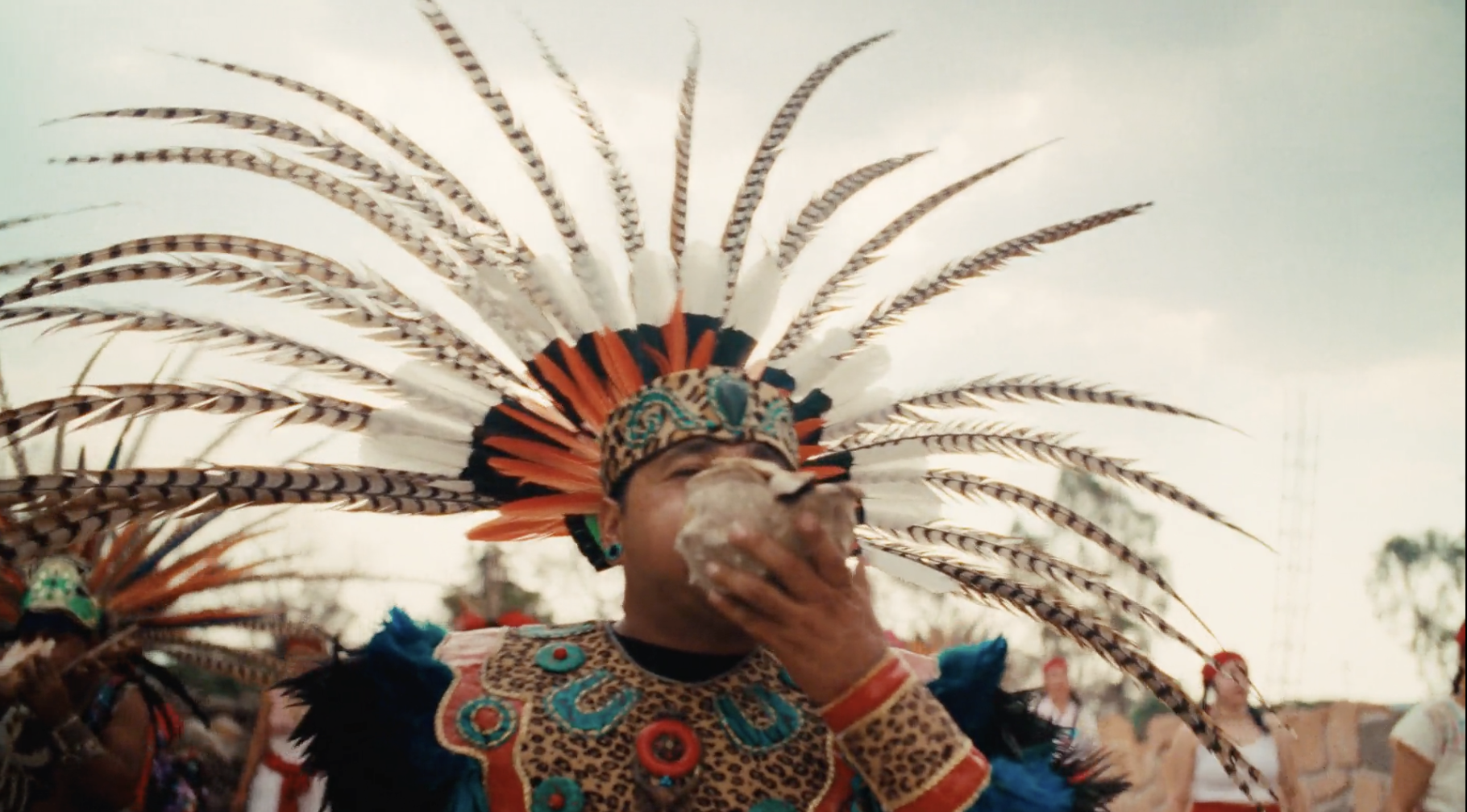
Mary Anne Quiroz is an Indigenay, an Indigenous Islander Mama, Dancer, Artist, Organizer and Community Activator. Together with her life partner Sergio Cenoch Quiroz, a Tlamakaze, Culture Bearer they founded the traditional Mexica Nahua dance and drum group, Kalpulli Yaocenoxtli and Indigenous Roots Cultural Arts Center, a space that promotes and practices holistic well being through arts, culture and activism. We follow Mary Anne and Sergio from St. Paul, to Oahu to Mataxhi, Mexico where they are opening a new cultural center with the mission of carrying on ancestral traditions and connecting Mexico to the Midwest.
Executive Producer OSP Productions
Producer, Director of Culture and History Jerod Pushetonequa
Director Oogie_Push
Producers Ryan Stopera, Bhavana Goparaju
Director of Photography Ryan Stopera
Camera Operators Francisco Sánchez, Sequoia Hauck, Max Lopez, Ikaika Anderson
Photographer Drew Arrieta
Production Assistant James Papakee
Editor Ryan Mcguire, Ryan Stopera
Colorist Daymian Mejia
Postproduction Sound Editor Ryan Shaw
Original Music Gunner Jules